

Promoting energy conservation
The Prime Minister has just issued Directive 09/CT-TTg dated March 21, 2025, on strengthening energy saving measures, promoting energy transition, and developing electric transportation.
The directive states that, in the context of global political , economic, and geopolitical instability, particularly in the world's major energy production and transit regions, disruptions to energy supply and price fluctuations have created challenges for import-dependent countries, including Vietnam.
Therefore, using energy efficiently and effectively is identified as one of the top priorities to minimize energy supply risks, reduce production costs, enhance the efficiency and competitiveness of the economy , and contribute to ensuring national energy security and sustainable development.
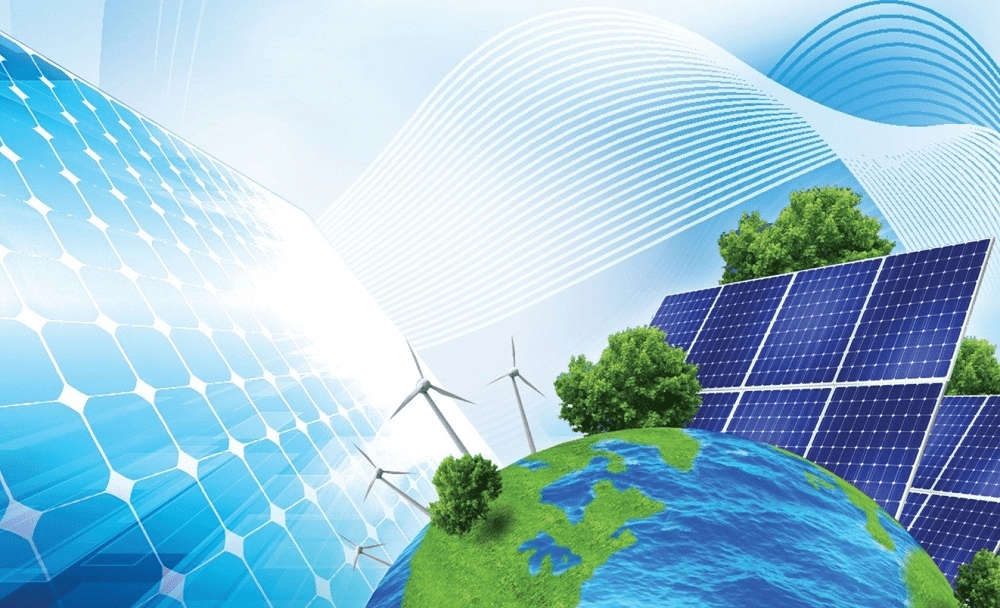
In the context of global energy fluctuations, energy saving is not only an urgent requirement but also a leverage that helps businesses enhance their competitiveness and transition to a greener environment.
Against the backdrop of the Prime Minister's call to strengthen energy saving measures, many large manufacturing enterprises in Vietnam have raised awareness and proactively adopted effective energy-saving models, helping to reduce operating costs and increase competitiveness.
A prime example in the steel industry, Hoa Phat Group has implemented numerous clean energy solutions and projects at the Hoa Phat Dung Quat Iron and Steel Complex. Here, the company recovers and utilizes waste heat and coal gas from coke production and iron and steel smelting to generate electricity, meeting approximately 90% of the complex's electricity needs. Simultaneously, Hoa Phat has implemented a system for recovering gas and dust and recirculating cooling water in the steelmaking process, optimizing energy efficiency, reducing emissions, and saving operating costs on a large scale each year.
Mr. Hoang Ngoc Phuong, Deputy Director of Hoa Phat Dung Quat Steel Joint Stock Company, said that thanks to the synchronized implementation of solutions such as waste heat recovery, dry coke quenching technology, continuous casting and rolling, and solar power, Hoa Phat Dung Quat Steel currently has about 90% self-sufficiency in electricity, thereby reducing costs and enhancing competitiveness.
Furthermore, according to Mr. Phan Huu Giap, General Production Manager of Viet Y Steel Joint Stock Company, the company has installed variable frequency drives for the furnace fans, saving 30-40% of electricity; and has also tiered the drive system, allowing independent start-stop operation in each section, reducing waste. Beyond energy savings, Viet Y Steel has also invested over 20 billion VND in building an SO2 gas treatment plant, affirming its commitment to environmental protection. In the coming period, the company plans to renovate the furnace and gradually switch to clean fuels.
Leveraging for Green Transition
In addition to technological innovation, many businesses have adopted smart operating systems and energy management systems according to international standards such as ISO 50001. For example, the Vietnam Electricity Group (EVN) building uses a smart building management system (BMS) to automatically control and adjust equipment, thereby effectively saving electricity.
According to Mr. Nguyen Quang Hau, Head of Building Operation Management Department, EVN Investment and Construction Project Management Board, the building is designed to utilize natural light and ventilation, insulated glass and heat-resistant materials combined with a central air conditioning system with inverter chillers, chilled water pumps, high-efficiency cooling towers and intelligent building management software (BMS) that automatically adjusts equipment operation according to actual needs, significantly saving energy.
Accordingly, EVN replaced more than 5,800 T8 light bulbs with energy-saving LED lights and applied ISO 50001 standards. Environmental protection was also emphasized with standard waste and wastewater treatment and the creation of green landscapes, contributing to reducing CO2 emissions and improving air quality. As a result, the EVN building was awarded first prize for energy efficiency in construction in 2024 by the Ministry of Industry and Trade and received a 5-star green energy building certification from Hanoi city.
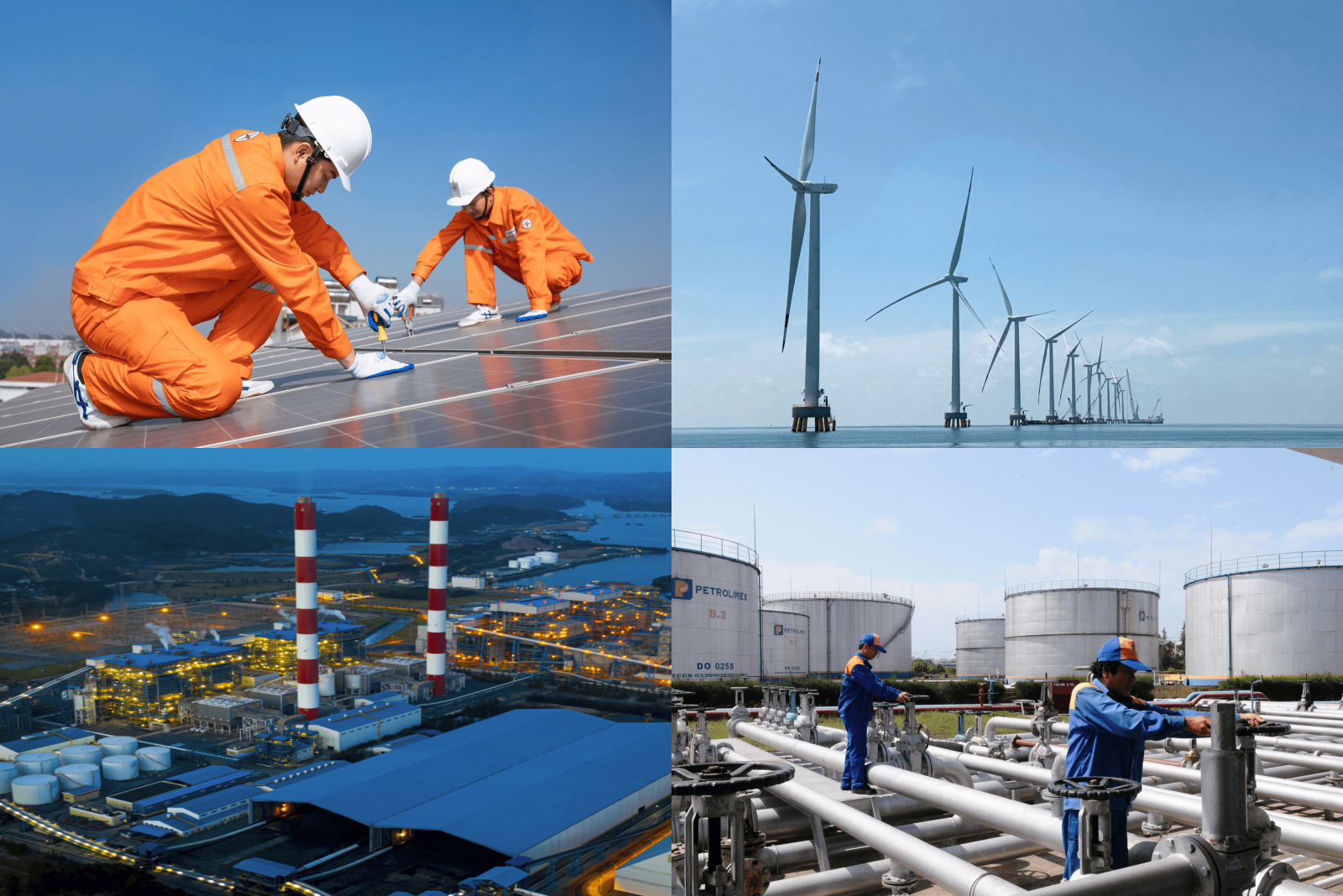
From policy to practice, energy saving is spreading rapidly within businesses, contributing to ensuring energy security and promoting green economic development.
Sharing the same spirit of energy conservation, Mr. Dao Trung Dung, Deputy Director in charge of technical affairs at Quan Trieu Cement Joint Stock Company (Thai Nguyen), said that the cement industry consumes a lot of energy and emits large amounts of pollutants. Therefore, the company has installed variable frequency drives for processes with high electricity consumption and is implementing a power generation project utilizing waste heat from kiln exhaust gases, expected to be completed in 2028. In addition, the company is gradually replacing fossil fuels with industrial plastic waste to reduce coal in clinker production. Mr. Dung hopes that preferential credit mechanisms and public-private partnerships will help businesses invest in green transformation.
Similarly, Mr. Nguyen Van Thieu, Deputy Director of Ton Dong A, also stated that the factory spends over 24 billion VND on electricity and 22 billion VND on gas each month. Through energy audits, the company has installed variable frequency drives for the cooling pump system, applied automatic control, and saved production costs. In particular, the company has invested in a 3.4 MW rooftop solar power system, providing clean energy for production. According to Mr. Thieu, energy-saving solutions not only help reduce costs but also change the mindset of technical management and open up avenues for applying new technologies.
Saving electricity is becoming a crucial driver for green development. Changing the community's electricity usage habits not only helps reduce pressure on the system and ensure energy security, but also contributes to building a green and sustainable city in the future.
Beyond mere temporary recommendations, electricity conservation is gradually becoming a new behavioral standard in modern society. From households and offices to manufacturing facilities, efficient electricity use is being recognized as a component of competitiveness and civic responsibility in the context of global energy transition.
In large cities, every act of saving electricity not only has economic significance but also contributes to reducing emissions, improving air quality, and optimizing the operation of the power system. When the community changes together, the synergistic effect will create significant changes, helping to reduce peak-hour load, limit the risk of overload, and reduce long-term investment costs for power sources and the grid.
In the long term, changing electricity usage habits needs to be promoted through both policy mechanisms and awareness education. When electricity saving becomes a culture, integrated into daily lifestyles and consumption behaviors, the goals of green development, sustainable growth, and ensuring national energy security will no longer be slogans, but become measurable and sustainable practices.
Binh Minh