
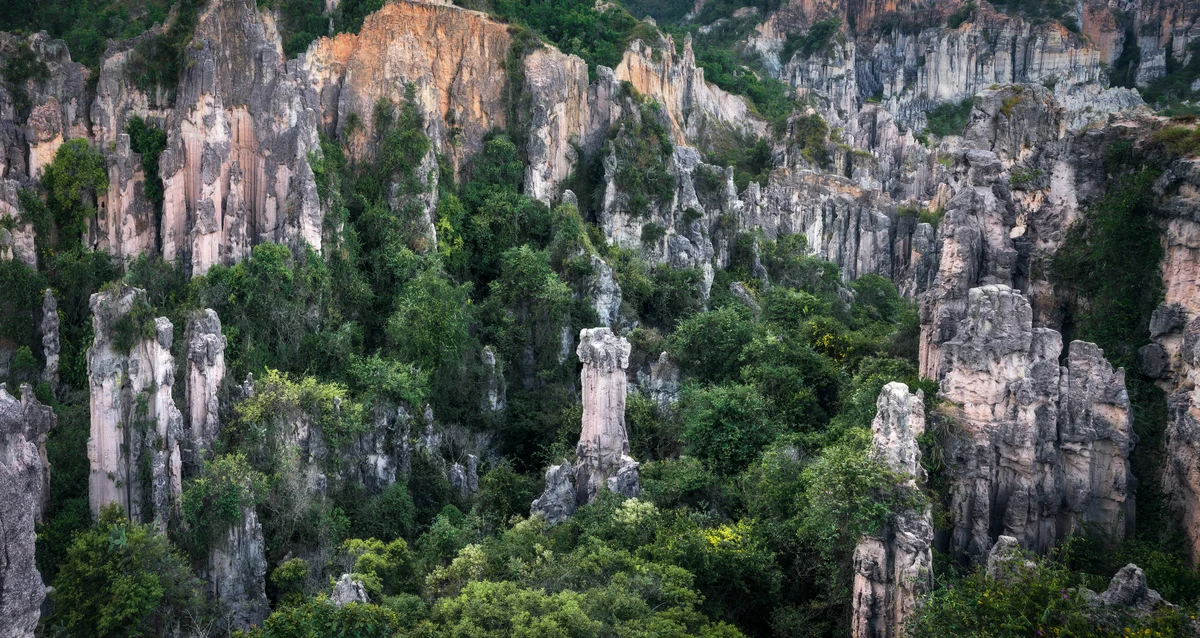
“Los Estoraques” National Natural Park - Photo author: Gabriel Einsenban. Courtesy of the Special Administrative Unit of National Natural Parks of Colombia
Sixty-five (65) protected areas (parks, fauna and flora sanctuaries, reserves, management districts, and a unique natural area) form a network that safeguards approximately 19% of the national territory. This comprises more than 38 million hectares, both terrestrial and marine – jungles, high-altitude grasslands (paramos), reefs, and mangroves – where life flourishes in all its forms.
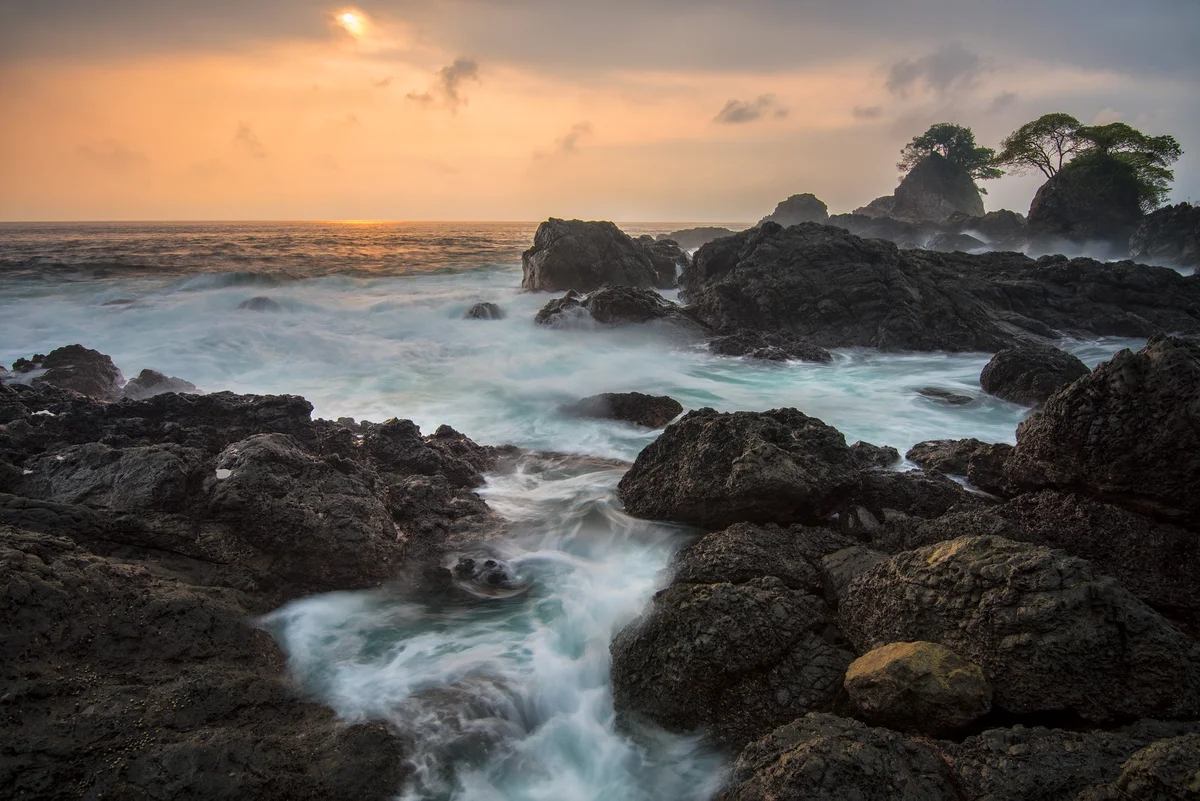
“Utría” National Natural Park - Courtesy of the Special Administrative Unit of National Natural Parks of Colombia
These territories, in addition to being beautiful landscapes, sustain the lives of million of Colombians and contribute to well-being of the entire planet. The protected areas of Colombia are the birthplace of the rivers that supply half of the water country consumes and capture some 2.3 billion tons of carbon dioxide, a crucial contribution in the face of climate change.
The National Natural Parks of Colombia are the habitat for 81% of the country’s mammal species, 100% of the mangrove species, 64% of timber trees, and 58% of the reptiles. Numerous endemic species, which only inhabit these areas, are also found there.
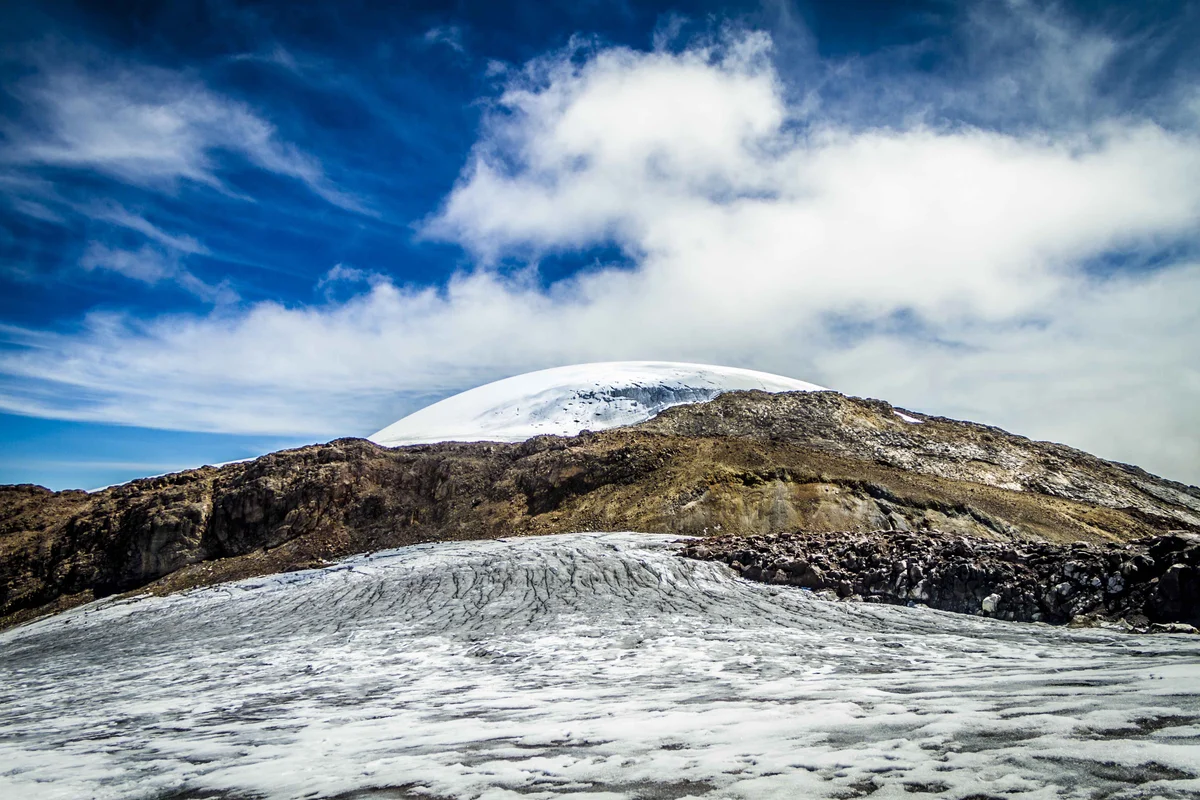
“Los Nevados” National Natural Park - Photo author: Cristian García. Courtesy of the Special Administrative Unit of National Natural Parks of Colombia
National Parks are also territories of life for indigenous, Afro-descendant, Raizal, and Palenquero peoples, who, together with the State, have woven conservation agreements to balance environmental protection and community life. Conservation, here, also means defending culture and history.
Caring for these beautiful, diverse, and fragile areas implies a great responsibility. Their management requires knowledge, commitment, and sensitivity in a country that dreams of peace and seeks to harmonize development with the protection of its natural heritage. The work of the park rangers and society is immense: maintaining the living connection between nature and people, protecting ecosystems, and ensuring that future generations can enjoy them.
These are men and women who traverse jungles, mountains, savannas, and seas, often under difficult conditions, to monitor species, prevent fires, support communities, guide visitors, and provide institutional presence in territories where nature and culture are profoundly intertwined. Their work, along with the commitment of local, rural and indigenous communities, constitutes the first line of defense for the country’s biodiversity. Without their daily effort, conservation would be merely an intention.
Caring for the parks is a collective responsibility that requires the active participation of all society, from the territories to the cities.
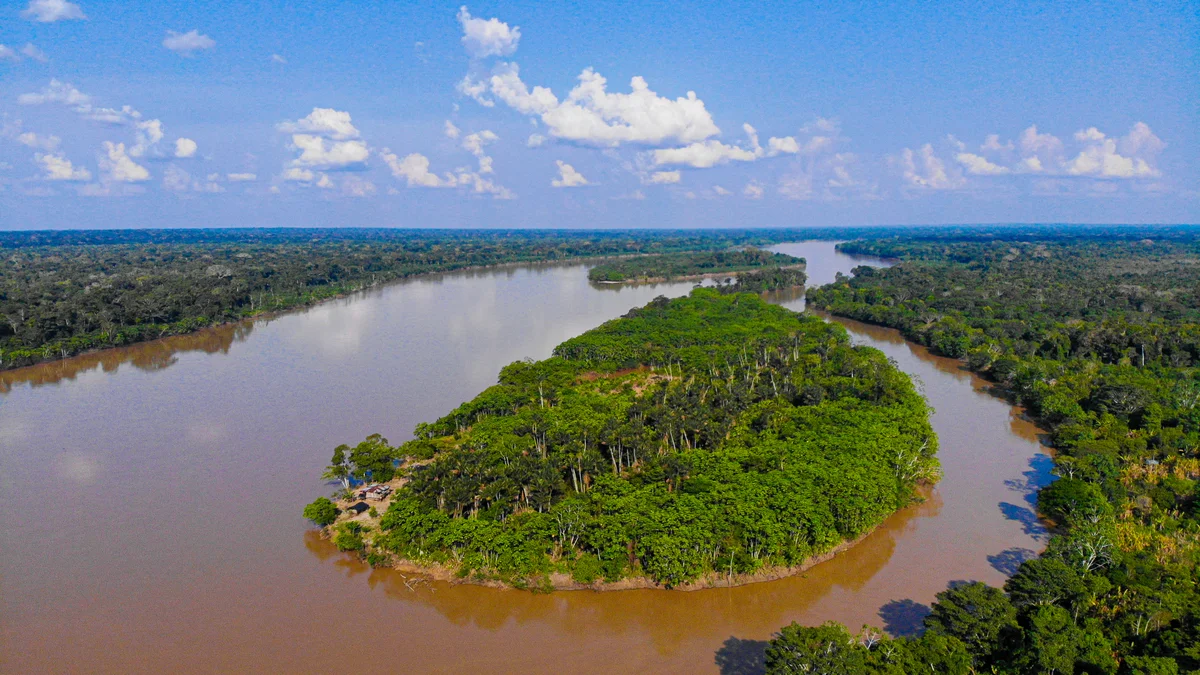
Caquetá River at the “La Paya” National Natural Park - Photo author: Cristian Pimiento. Courtesy of the Special Administrative Unit of National Natural Parks of Colombia
This collaborative work with communities aligns with conservation practices in Vietnam, where local communities and ethnic minorities preserve traditional knowledge and crafts. Just as in Hoi An, Sapa, or the Mekong Delta, cultures in the Colombian Parks are deeply linked to their territories.
Global Recognition
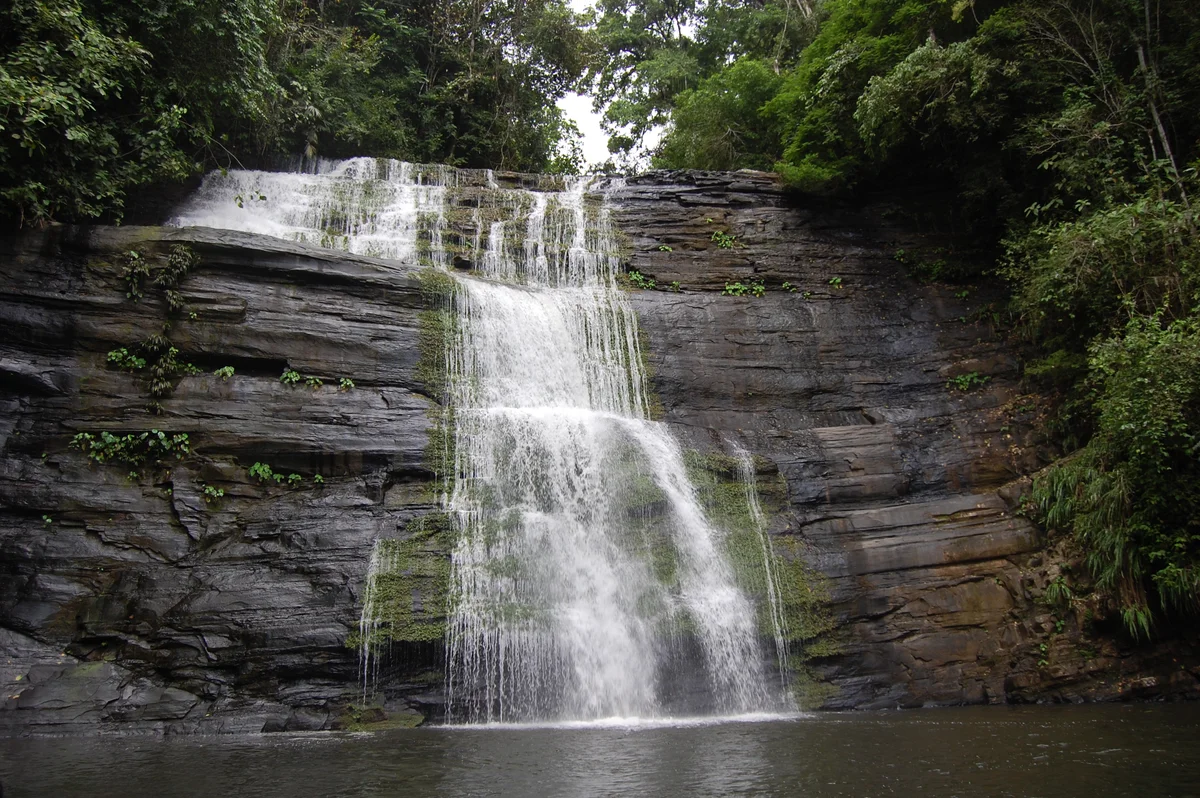
“Los Katíos” National Natural Park - Photo author: Melissa Valenzuela. Courtesy of the Special Administrative Unit of National Natural Parks of Colombia
The value of these areas transcends borders. The Malpelo Fauna and Flora Sanctuary and the Los Katíos National Natural Park are part of the UNESCO World Natural Heritage list. The Serranía de Chiribiquete, for its part, is recognized as a Mixed World Heritage Site for its natural and cultural values.
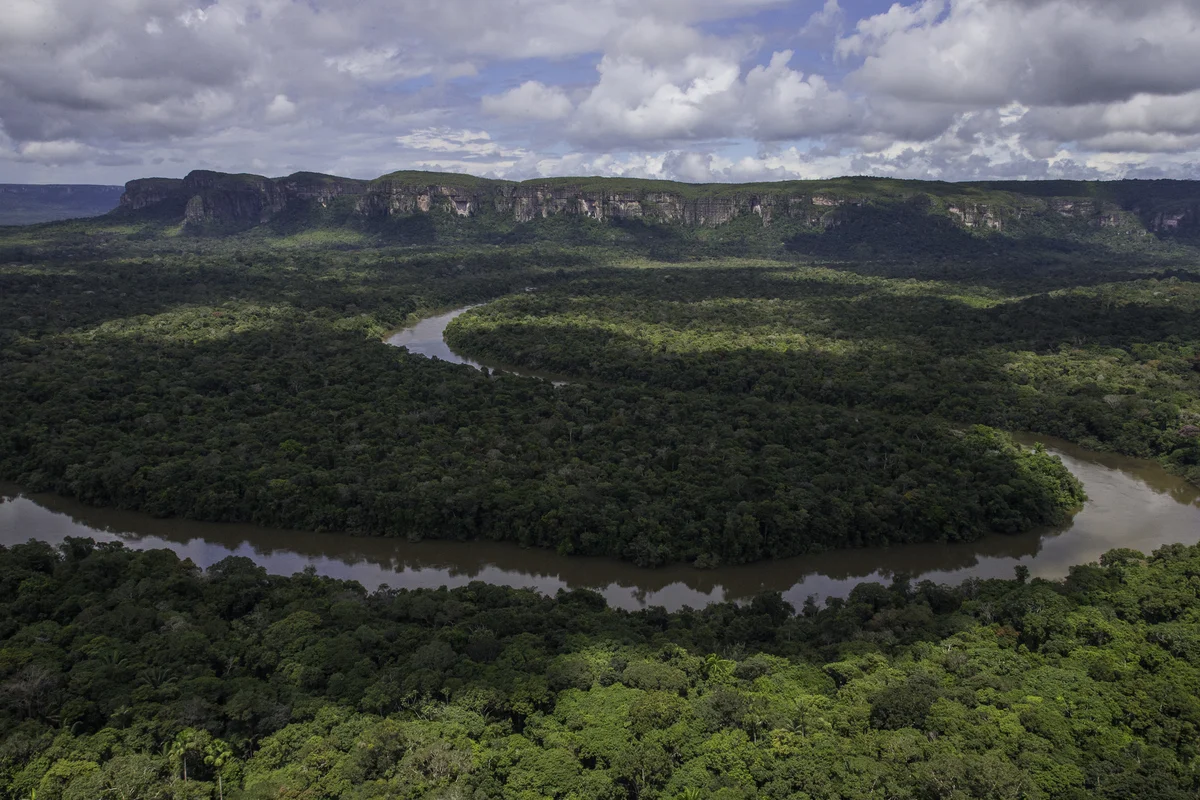
“Sierra de Chiribiquete” National Natural Park - Courtesy of the Special Administrative Unit of National Natural Parks of Colombia
Every nursery, every restoration process, and every community agreement reinforces Colombia’s vocation as a country of beauty. National Parks are a shared legacy that connects generations and a reminder that caring for biodiversity is caring for our own survival.
Responsible Tourism: Meaningful Experiences
Visiting a national park in Colombia in an all-encompassing experience: hiking mountain trails, camping in the jungle, listening to birds at dawn, or sharing with local communities. These activities seek to reconnect families and visitors with the value of nature, similar to the excursions, picnics, and bicycle rides in Vietnam that strengthen bonds with the natural environment.
Nature tourism in Colombia is conceived as a conservation strategy, an educational and sustainable practice, and one that is respectful of local cultures. For international travelers, it represents an opportunity to discover a megadiverse country and, at the same time, learn how conservation can strengthen the identity and well-being of peoples. We have 36 national parks open for ecotourism.
A Contribution to the World in Times of Change
The climate crisis and biodiversity loss are global challenges. In response, Colombia has adopted the 30x30 goal: to protect at least 30% of its territory by the year 2030. Furthermore, it leads REDPARQUES (Parks Network), which brings together 19 Latin American countries, and maintains alliances with the international community to ensure the protection of key ecosystems.
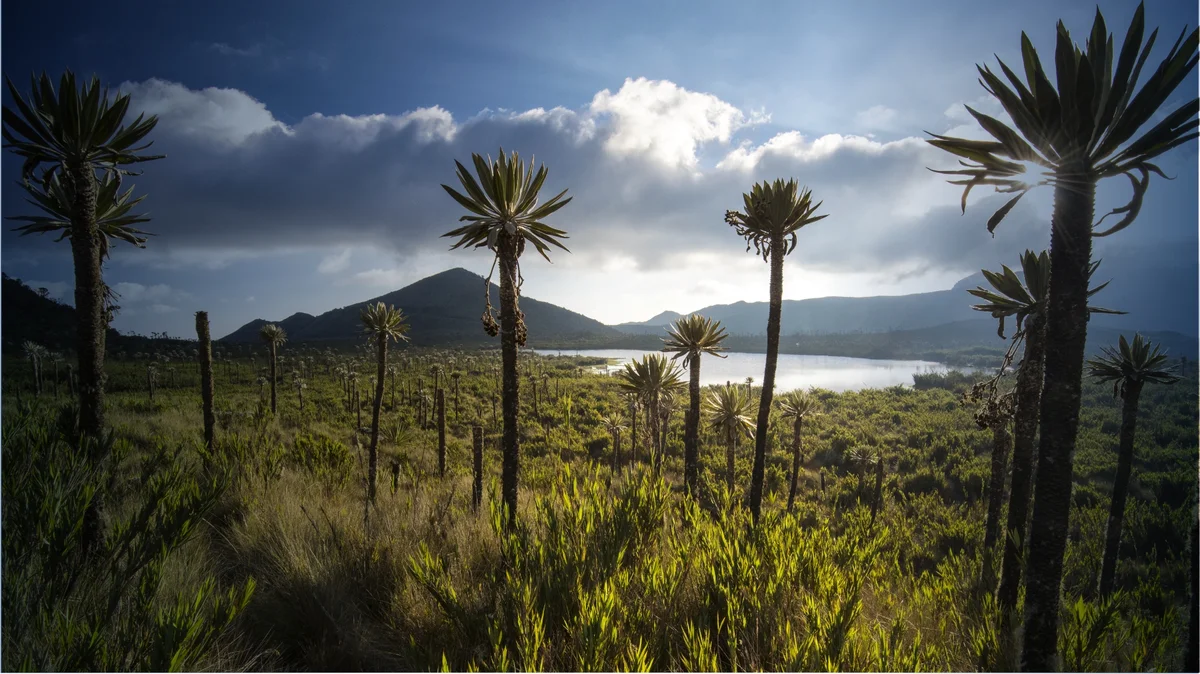
“Chingaza” National Natural Park - Courtesy of the Special Administrative Unit of National Natural Parks of Colombia
This commitment reflects shared values with Vietnam: respect for nature, the strength of rural communities, and the pursuit of sustainable development that preserves both culture and resources for future generations.
A Shared Invitation
The National Parks of Colombia are places where culture and nature meet and enrich each other. In an increasingly urban and fast-paced world, they offer the chance to stop, breathe, and learn from the wisdom of the peoples and the resilience of the ecosystems.
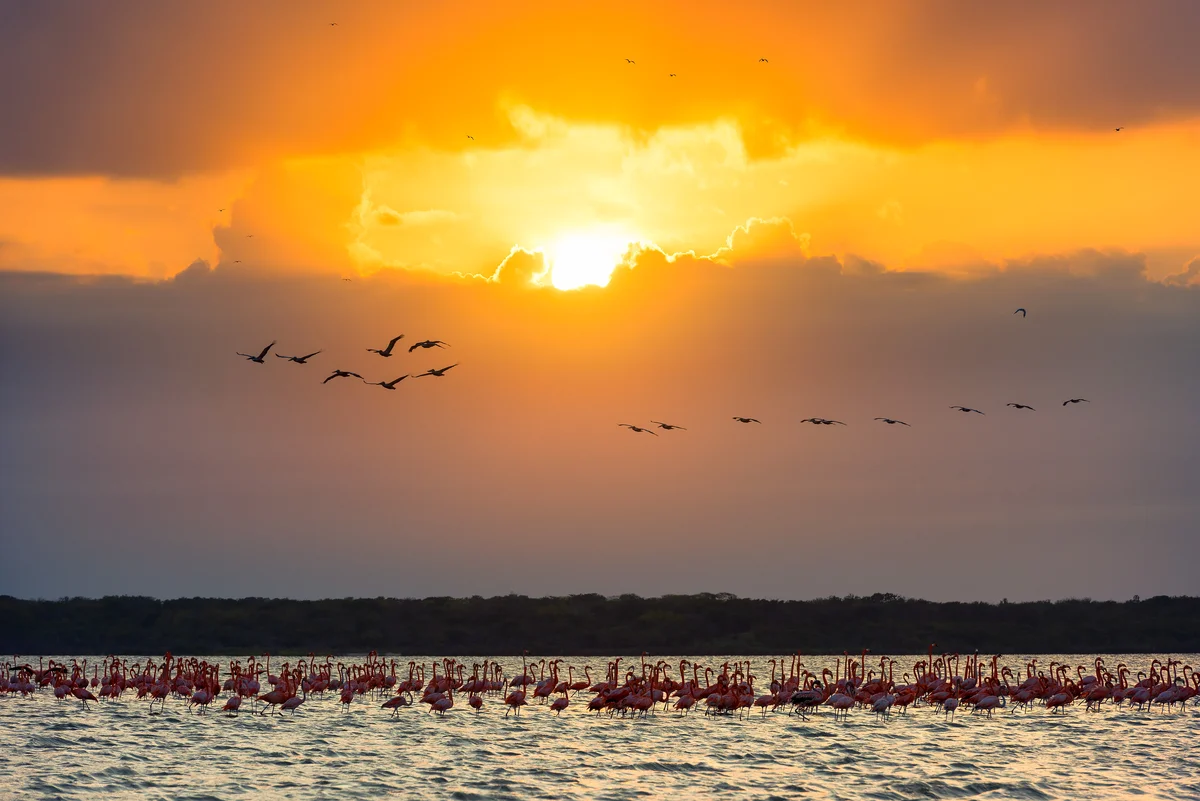
“Los Flamencos” Flora and Fauna Sanctuary - Photo author: Gabriel Einsenban. Courtesy of the Special Administrative Unit of National Natural Parks of Colombia
For readers in Vietnam, a country equally rich in landscapes and traditions, this message resonates in a particular manner: protecting biodiversity is also protecting the identity, culture, and future of our families./.
Luisz Olmedo Martínez Zamora General Director National Natural Parks of Colombia